
Author: DMC2

Surgical endoscopy

Surgical Endoscopy

Gastroscopy and colonoscopy can also be accompanied by a number of therapeutic and surgical interventions, i.e. removal of gastrointestinal polyps, removal of foreign bodies, stopping gastrointestinal bleeding, and dilation of gastrointestinal tract strictures. These minor interventions provide an opportunity to avoid major abdominal surgeries.

Indications for surgical endoscopy:

  • Removal of stomach and colon polyps
  • Stopping bleeding in cases of gastric and duodenal ulcer diseases, esophageal varicose veins
  • Endoscopic sclerosis in the case of esophageal varicose veins
  • Removal of gastrointestinal submucosal masses
  • Endoscopic papilla sphincterotomy
  • Esophageal stenting
  • Removal of foreign bodies from the esophagus, stomach

Endoscopy is almost painless but if necessary, it can be anesthetized (IV anesthesia). Anesthesia is performed by an anesthesiologist-resuscitator; it lasts for a few minutes.

Endoscopy

f5
Gastroscopy Gastroscopy is an endoscopic examination, in which the mucosa of the esophagus, stomach, and duodenum is thoroughly examined in cases of suspicions of inflammatory or tumor diseases, and complications of bleeding. Gastroscopy is also indicated as an additional examination to confirm the diagnosis of other diseases (allergy, neurosis). Colonoscopy A colonoscopy is performed to examine and investigate in detail the colon mucosa, including the rectum. Diagnostic colonoscopy is indicated in the following cases:
  • Preventive medical examination
  • Abdominal pain
  • Chronic diarrhea, constipation
  • Intestinal bleeding
  • Diagnosis of benign and malignant neoplasms
  • Non-specific ulcerative colitis, Crohn’s disease
  • Hereditary history of neoplasms
  • Colon polyposis
  • Diseases of other related organ systems, for which the intestinal picture is essential
Gastroscopy and colonoscopy can also be accompanied by a number of therapeutic and surgical interventions, i.e. removal of gastrointestinal polyps, removal of foreign bodies, stopping gastrointestinal bleeding, and dilation of gastrointestinal tract strictures. These minor interventions provide an opportunity to avoid major abdominal surgeries.

Duplex, Dopler ultrasound

Duplex examination of peripheral and main vessels is a qualitative method of vessel examination that allows “seeing” the vessel, its lumen, wall, and the nature of the flow.

Duplex examination of peripheral vessels is recommended in the following cases of vascular pathology signs and detected diseases:

  • Spasms
  • Pain and heavy limbs
  • Numbness
  • Vascular spider
  • Subcutaneous dilation
  • Atherosclerosis
  • Diabetes
  • Thrombophlebitis
  • Varicose disease
  • Thrombosis
  • Trophic ulcers
  • Marking vein location before phlebectomy

Duplex scanning of cerebral main vessels is one of the main methods for diagnosing cerebrovascular pathologies. Indications are:

  • Clinical signs of acute (stroke) or chronic cerebrovascular insufficiency
  • Frequent headaches of unknown origin
  • Clinical signs of jugular vein pathologies (thrombosis)
  • Systemic diseases that are potential causes of cerebral circulation disorders (diabetes, arterial hypertension, vasculitis, etc.)
  • Signs of other arterial basin lesions in the case of systemic vascular lesions
  • When planning surgeries with the likelihood of vessel compression caused by pathologies of organs and tissues surrounding the vessel (cardiovascular system, abdomen, and lesser pelvis)

Duplex scanning of the abdominal aorta and inferior vena cava is indicated in the following cases:

  • Atherosclerosis
  • Suspicion of aortic aneurysm
  • Malignant hypertension (renal vessels are examined)

Treadmill test

ECG with load dose (treadmill test)

The treadmill test is a functional method for diagnosing cardiovascular diseases, during which an ECG examination is performed in combination with physical exertion on a special treadmill. The treadmill test is used to:

  • Detect coronary heart disease
  • Assess cardiovascular system function
  • Detect heart rhythm disorders
  • Assess the functional class of chronic heart failure
  • Assess the effectiveness of drug treatment
  • Assess the level of physical fitness of an inidual
  • Examine stented patients (3-6 months after) and those who underwent CABG (coronary artery bypass grafting, 6-8 months after) in order to assess coronary circulation.

Electroneuromyography

  Electroneuromyography is a method for examining the neuromuscular system, used to diagnose disorders of peripheral nerves, nerve roots, muscles, and the spinal cord. It determines the level and degree of impairment. This method has decisive and differential diagnostic significance in cases of motor disorders of central origin, such as tics, Parkinson’s disease, and others. The method allows for:  
  • Determining the localized course of peripheral nerve damage
  •  Measuring nerve conduction velocities through nerve fibers
  • Evaluating muscle contractions in response to electrical impulse stimulation
  • Detecting peripheral nerve and nerve root disorders
  • Identifying spinal cord disorders
  • Diagnosing muscle disorders
 

Pulmonologist

A pulmonologist deals with diagnosing and treating diseases of the pulmonary system (trachea, bronchi, lungs, pleura) and upper respiratory tract (nose, throat, pharynx). Pulmonology is closely related to allergology and cardiology.

It is necessary to consult a pulmonologist in the case of the following symptoms:

  • Cough
  • Smoker’s cough (with sputum)
  • Shortness of breath at rest
  • Shortness of breath during mild physical exertion
  • Shortness of breath with difficult exhalations

Electroencephalography


Echoelectroencephalography is a non-invasive method for brain examination. Its main advantage is the ability to quickly diagnose diseases that lead to intracranial structure displacement. It also serves as a screening tool for preliminary diagnosis of brain space-occupying lesions and hypertension syndrome. It allows for high-precision differentiation of epilepsy from other pathological conditions.

EEG examines central nervous system function, diagnosing organic brain lesions and functional disorders of the nervous system.


Գաստրոէնտերոլոգիական կլինիկա

Դիագնոստիկա ԲՄ – ի մասնագիտացված գաստրոէնտերոլոգիական կլինիկան առանձնահատուկ է, քանի որ իր մեջ ներգրավում է թերապևտ-գաստրոէնտերոլոգներ և՛ բժիշկ-էնդոսկոպիստներ:
Գաստրոէնտերոլոգների և էնդոսկոպիստների սերտ համագործակցությունը, համատեղ ախտորոշումը և բուժման քայլերի քննարկումը ապահովում են լավագույն արդյունք ինչպես ախտորոշման, այնպես էլ բուժման հարցերում:
Բարդ ախտորոշվող հիվանդությունների բուժման համար մենք կիրառում ենք ախտորոշման և բուժման ինովացիոն համալիր մեթոդներ, որոնք համապատասխանում են ստամոքս-աղիքային տրակտի հիվանդությունների ախտորոշման և բուժման միջազգային ստանդարտներին:
Կլինիկան հագեցված է կերակրափողի, ստամոքսի, բարակ և հաստ աղիների, լյարդի, լեղածորանների, ենթաստամոքսային գեղձի հիվանդությունների ախտորոշելու և բուժելու բոլոր անհրաժեշտ միջոցներով:
Գաստրոէնտերոլոգին դիմելու ցուցումները՝
  • այրոց, գղտոց, սրտխառնոց, բերանի խոռոչի դառնություն և տհաճ  հոտ
  • ցավեր  և ծանրության  զգացում որովայնի շրջանում  
  • ախորժակի վատացում
  • քաշի նվազում
  • վքնածություն
  • անկանոն կղանք, փորկապություն, փորլուծություն, կղանքում արյան և  լորձի առկայություն
Մեր կլինիկան ապահովում է ստամոքս-աղիքային տրակտի պաթոլոգիաների ախտորոշման բարձր ճշգրտություն շնորհիվ նորագույն էնդոսկոպիկ սարքավորումների մասնավորապես՝ բարձրորակ թվային ճապոնական “Olympus” ֆիրմայի արտադրության:
Մեր կլինիկայի էնդոսկոպները տարբերվում են բարձր ճշգրտությամբ, լավագույնս ապահովում են հետազոտվող օրգանի պատկերի հստակությունը և թույլ  տալիս անցկացնել էնդոսկոպիկ ախտորոշում և բուժում, վերցնել հյուսվածքից օրինակներ հիստոլոգիական հետազոտության համար և էքսպրես թեստավորում հելիկոբակտեր պիլորիի  հայտնաբերման համար, ինչպես նաև կատարել տեսագրում թվային կրիչների վրա:
Համագործակցում ենք մեր կենտրոնի այլ բաժանմունքների հետ, որտեղ և իրականացնում են ստամոքս- աղիքային տրակտի հետևյալ հետազոտությունները՝ կոնտրաստային ռենտգեն, որովայնի  խոռոչի սոնոգրաֆիկ հետազոտություն, համակարգչային տոմոգրաֆիա, վիրտուալ կոնտրաստային կոլոնոսկոպիա և լաբորատոր հետազոտություններ:
Շնորհիվ այս ամենի ախտորոշումը և բուժումը կատարվում է արագ, համալիր և շատ հարմար այցելուի համար:

Բժիշկներ

Continue reading

Cardiologist


It is necessary to consult a cardiologist in the case of pains in the chest, especially if:
  • They occur in the retrosternal and left chest area, around the heart
  • They radiate to the neck, lower jaw, left arm, or upper limbs
  • They occur after physical exertion or during emotional stress
  • There are shortness of breath and sudden choking attacks at night
  • There is an irregular heartbeat
  • There is an accelerated or very slow heartbeat
  • There are episodes of loss of consciousness
  • Blood pressure increases above 140/90
  • Blood pressure decreases below 90/60
  • The color of the lips is bluish
  • The lower limbs are swollen
  • There are hereditary factors, i.e. cardiovascular diseases in the family history

X – Ray

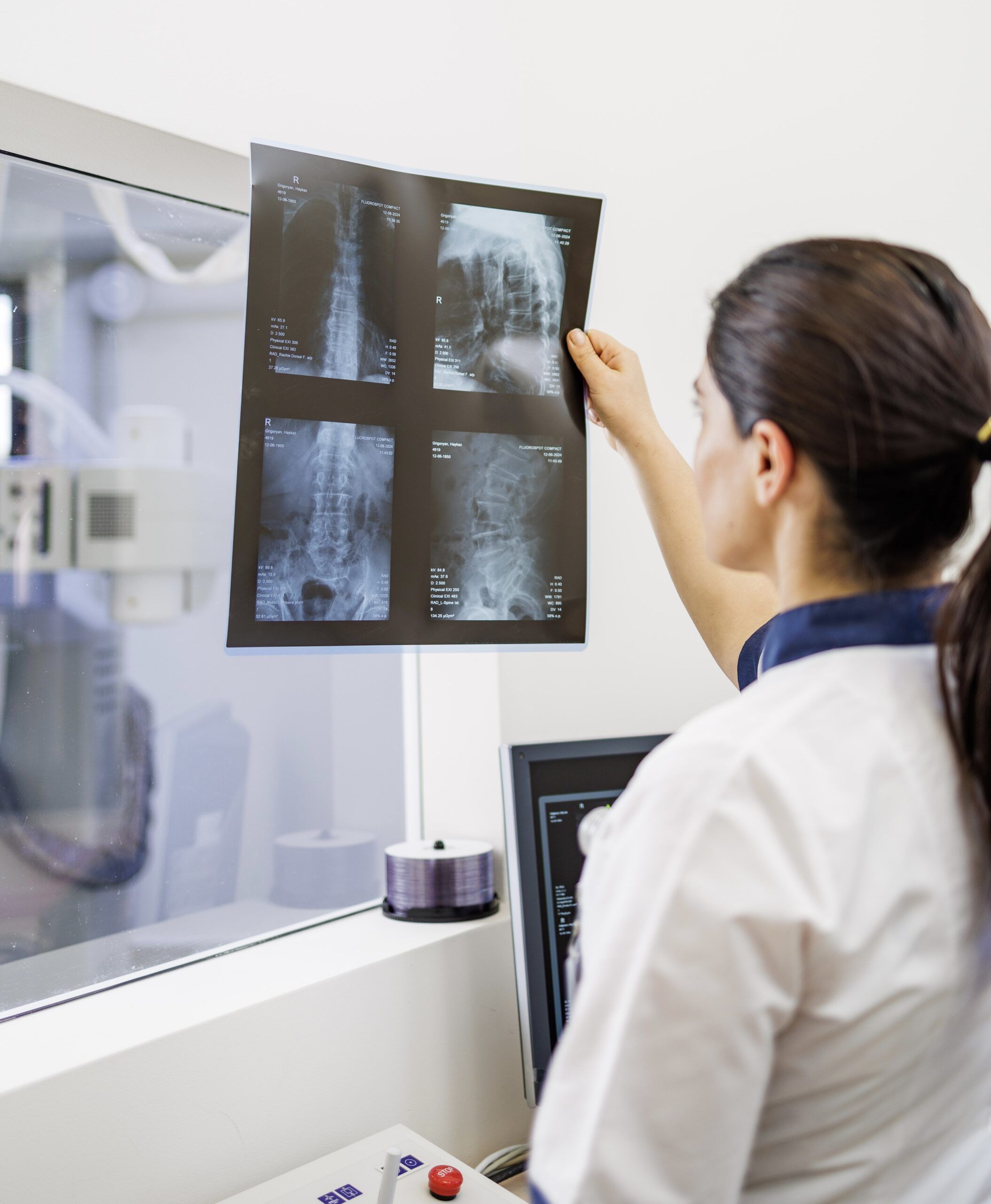
Despite the availability of newer technologies, X-ray examination methods remain at the forefront of diagnosing numerous conditions. X-ray examinations are performed more quickly, require less patient preparation, are informative, and accessible. X-ray studies allow for the initial detection and diagnosis of pathologies, followed by determination of the localization of changes and monitoring of treatment progress. The centre is equipped with a modern digital SIEMENS AXIOM Luminos drf machine. X-ray examinations generally do not require patient preparation, except for digestive system studies. The following X-ray examinations are performed at the “Diagnostica” Medical Center:
  •  Chest radiography and fluoroscopy
  •  Spine radiography
  • Musculoskeletal system radiography
  • Skull radiography
  • Sella turcica radiography
  • Maxillary sinus radiography
  • Gastrointestinal tract fluoroscopy
  • Urinary tract radiography
  • Excretory urography

Ռուզաննա Խոջոյան

ruzanna xujoyan

Ռուզաննա Խոջոյան

Մասնագիտություն

Ռադիոլոգ

Գերձայնային ախտորոշման մասնագետ

Գիտական աստիճան

ԵՊԲՀ Կլինիկական ախտորոշման ամբիոնի դասախոս: 14 գիտական աշխատությունների հեղինակ է:
Հանդիսանում է ՀՕՖ – ի ՀՀ մարզերի և ԼՂՀ բժիշկների վերապատրաստման¦  ծրագրում որպես ճառագայթային ախտորոշման դասընթացների վերապատրաստման ղեկավար։
Հայաստանի ռադիոլոգների և Բժշկական ախտորոշման հայկական ասոցացիաների անդամ։
Դիագնոստիկա բժշկական միավորումում աշխատում է 1988 թ. – ից։ 
Continue reading

Աիդա Հակոբյան

aida hakobyan

Աիդա Հակոբյան

Մասնագիտություն

ֆունկցիոնալ ախտորորշման բժիշկ
Ֆունկցիոնալ ախտորոշման բժիշկ , անոթների դուպլեքս/դոպլեր սկանավորման մասնագետ։
Դիագնոստիկա բժշկական միավորումում աշխատում է1988 թ.-ից։
Հանդիսանում է Բժշկական ախտորոշման հայկական ասոցացիայի անդամ։

Continue reading

Ալերգիա

    Ալերգոլոգը  զբաղվում է ալերգիայի առաջացման, բուժման և պրոֆիլակտիկայի հարցերով: Ալերգիան հանդիսանում է իմունային համակարգի ռեակցիան ի պատասխան տարբեր գրգռիչների /ալերգենների/:
Ալերգոլոգին անհրաժեշտ է դիմել, եթե դուք նկատում եք՝
  • քոր
  • մաշկի կարմրածություն
  • արցունքահոսություն
  • փռշտոց
  • ջերմության բարձրացում
  • շնչառության դժվարության և շնչառական ուղիների այտուց

Բժիշկներ

Continue reading

Urologist

Modern urology is equipped with the latest diagnostic and treatment equipment. Both men and women should consult a urologist for the following symptoms:
  •  Urination disorders and changes in urine color
  •  Acute and dull pain in the lumbar region unrelated to movement. These pain sensations are often signs of kidney or ureteral stones.
  • Sexual dysfunction
  • Pain in the perineum, testicles, perianal area, or lower back
  • Pain in the lower abdomen
  • Astheno-vegetative syndrome: weakness, fatigue, decreased work capacity, irritability, mood swings, sleep disturbances, hyperhidrosis, tachycardia, etc. This syndrome is common in men with chronic prostatitis.
  The last two syndromes may be accompanied by fever, general malaise, prolonged loss of appetite, and thirst. In such cases, visiting a urologist becomes urgent.   Our clinic offers instrumental functional examinations performed by a urologist.
© 2018 Diagnostics Medical Association | All rights reserved